
Finishes: Protecting Your Custom Wood Furniture
October 13, 2025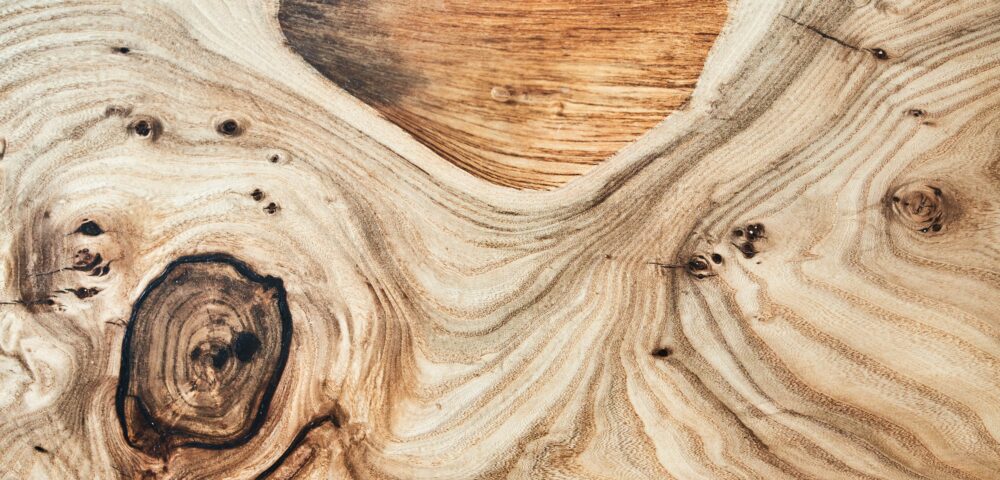
Every piece of wood possesses a unique story, etched into its structure by nature. Consequently, custom furniture builders do more than simply assemble materials; they reveal the hidden character within the lumber. This distinct personality, known as the wood’s figure or grain pattern, guarantees that no two pieces of furniture are ever truly alike. Understanding these patterns elevates appreciation for a genuinely one-of-a-kind creation.
Defining Natural Wood Figure and Pattern
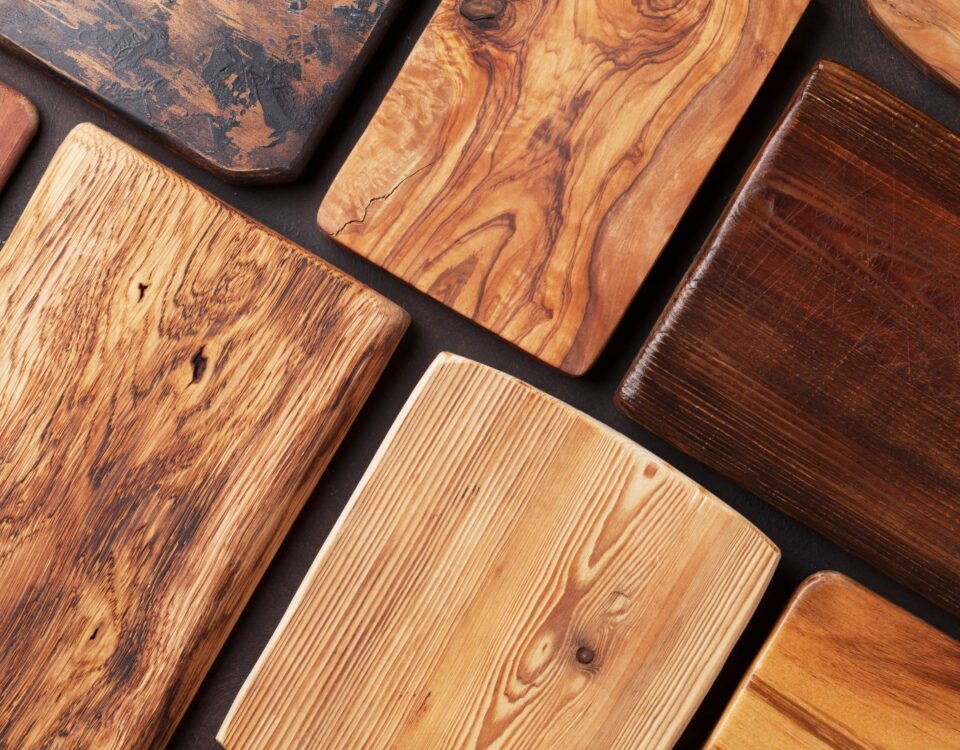
Wood figure describes remarkable visual anomalies that extend far beyond simple, concentric growth rings. These stunning formations result when unique environmental and growth conditions deeply influence the tree’s natural development. These complex figures dramatically elevate the aesthetic value of the final milled lumber and subsequent finished product.
Manifestations of Wood Figure in Grain
The curly figure presents itself as a striking, rippling, three-dimensional effect upon the wood’s surface. This visual phenomenon changes its depth and intensity as light actively moves across the material. Furthermore, this figure results when the wood’s cellulose fibers undulate and grow in a distinct wave-like pattern instead of maintaining a straight, vertical orientation. Expert builders and artisans highly prize this captivating visual effect, especially in species like maple and cherry, specifically using it because it powerfully catches the viewer’s eye.
The quilted figure characteristically resembles the soft, puckered texture of a quilted blanket or the distinct look of water ripples. This particular pattern usually occurs when external stress or internal compression causes the wood fibers to form large, rounded areas of concentrated compression. Thus, this unique configuration provides a soft, almost luxurious appearance that consumers frequently seek in species such as mahogany and maple.
The notably rare bird’s-eye figure looks exactly like small, circular eyes or dots that pepper the entire surface of the wood. Scientists currently debate the exact biological cause that creates this formation; however, a significant number of experts believe it results from small, latent knots or specific growth deformations that actively occur very early in the tree’s life cycle.
Spalted wood actively showcases bold, dark lines alongside sharply contrasting colorations that weave through the grain. This immediately striking pattern emerges from the initial, early stages of fungal decay that actively occurs within a fallen or dead tree. Consequently, builders must quickly dry and chemically stabilize the wood to successfully preserve the intricate, artistic patterns before the fungal decay structurally compromises the wood’s integrity and rendering it useless.
The Influence of the Cut
How a builder cuts the log significantly affects the visible wood grain pattern and the wood’s stability. Different milling techniques reveal different aspects of the tree’s structure.
Plain-sawn lumber represents the most common and economical cut. Millers cut the log tangentially, yielding boards with wide, sweeping patterns known as cathedral arches. This cut efficiently utilizes the log, but plain-sawn boards sometimes exhibit less stability, tending to cup or warp as humidity changes.
Quarter-sawn lumber requires greater effort and yields fewer boards. Millers cut the log into quarters first, then cut each quarter perpendicular to the growth rings. Therefore, this technique results in straight, tightly packed parallel lines, often showcasing a beautiful iridescent effect known as ray fleck in woods like oak. Quarter-sawn boards offer exceptional stability and resistance to warping.
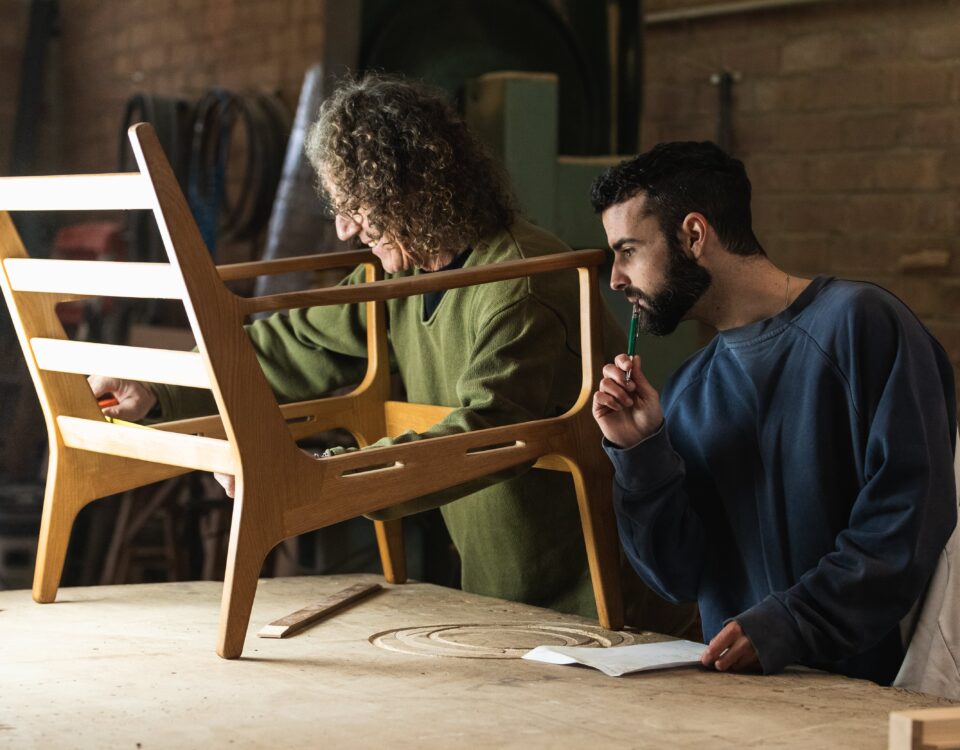
When selecting wood for a custom project, the builder carefully considers the figure, stability, and aesthetic. Indeed, a plain-sawn board might suit a panel where a bold cathedral grain is desired, while a quarter-sawn piece proves ideal for table legs requiring maximum stability. Choose a custom builder who understands and respects the hidden world within the wood. Ultimately, they transform these unique patterns into furniture that tells an irreplaceable story, making your investment a lasting testament to natural beauty.