
Why Reclaimed and Live-Edge Wood Is Reshaping Modern Design
June 13, 2025
Creative Accents: Incorporating Talavera Tile Beyond the Tabletop
August 13, 2025
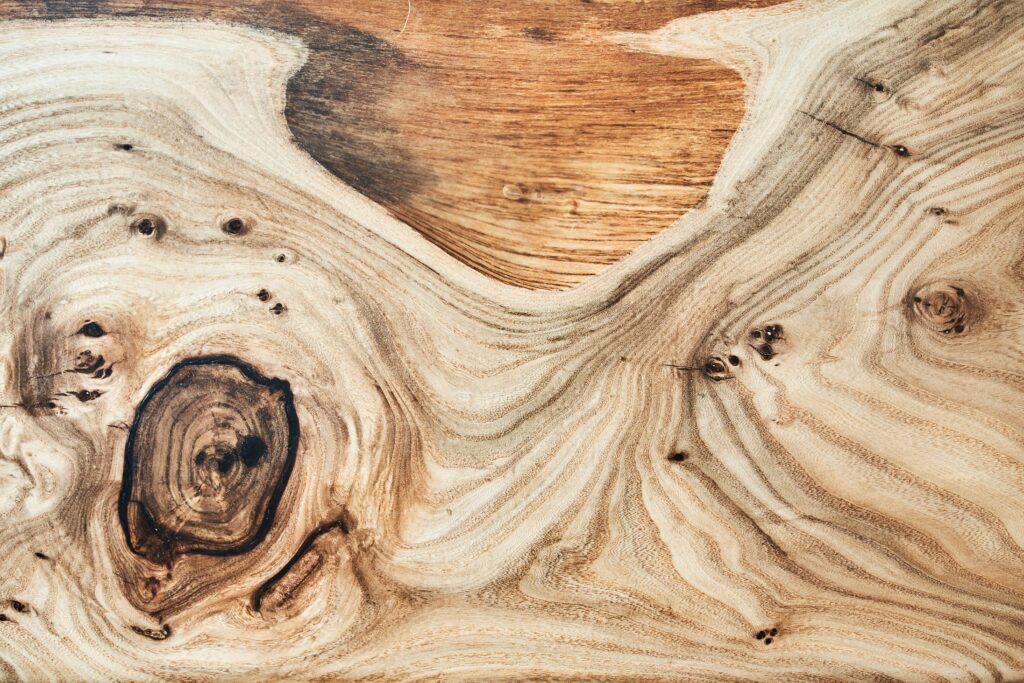
You chose a live edge piece from Wood Wonders because you appreciate its natural beauty and unique character. Live edge furniture, particularly from specialty woods like Monkey Pod, offers a stunning focal point in any room. However, maintaining this beauty requires understanding how wood behaves and applying proper care techniques.
Unlike manufactured furniture, live edge pieces retain the wood’s natural shape and features. This organic quality gives them unparalleled warmth, but it also means they need specific attention. By following simple guidelines, you protect your investment and ensure your furniture lasts for generations.
Everyday Cleaning and Spills
Routine care keeps your live edge furniture looking its best.
For everyday cleaning, use a soft, dry cloth to dust the surface. Avoid using abrasive cleaners or brushes, which can scratch the finish. Instead, use mild soap and water on spills immediately. Blot the spill; do not wipe or scrub it, as this can push the liquid deeper into the wood grain or damage the finish. Dry the area thoroughly with a clean cloth afterward.
Furthermore, avoid all-purpose cleaners or harsh chemicals like ammonia. These products strip the natural oils from the wood and dull the finish over time. We recommend specialized wood cleaners if necessary, but simple, gentle cleaning is often sufficient.
Protecting the Finish
The finish on your live edge furniture provides a crucial protective barrier. Protecting this layer is essential for the wood’s longevity.
Heat and moisture are the biggest threats to furniture finishes. For example, placing a hot mug directly on a tabletop creates a visible heat ring almost instantly. Always use coasters for drinks and trivets for hot dishes.
Sharp objects also pose a risk. Use cutting boards for food preparation and protect the surface with a mat when writing or crafting. While live edge wood is durable, excessive force or sharp impacts leave dents and scratches.
Moreover, keep your furniture out of direct sunlight. Constant exposure to UV rays causes the wood to fade or dry out, which weakens the finish. Move your furniture or use curtains or blinds during the brightest parts of the day.
Seasonal Wood Care and Climate Control
Wood is a natural, organic material; it responds to its environment. Humidity and temperature changes significantly impact live edge furniture. Wood absorbs moisture during humid seasons and releases it in dry seasons, causing it to expand and contract.
This expansion and contraction, if excessive, leads to cracking or warping. Therefore, maintaining a stable environment in your home is vital. We recommend keeping the humidity levels between 40% and 60%.
In dry climates, consider using a humidifier, especially during winter months when indoor heating dries the air. Conversely, in very humid environments, a dehumidifier helps manage moisture levels.
We also recommend periodically applying a suitable wood conditioner or wax to nourish the wood and maintain the finish. This is especially important for live edge areas, which may have more exposed grain.
By understanding how environmental factors affect your furniture, you proactively prevent damage. Your live edge piece is a work of natural art; treat it with the care it deserves.