
The Craft of Joinery: Building Furniture That Endures
September 13, 2025
The Hidden World of Wood Grain
November 13, 2025
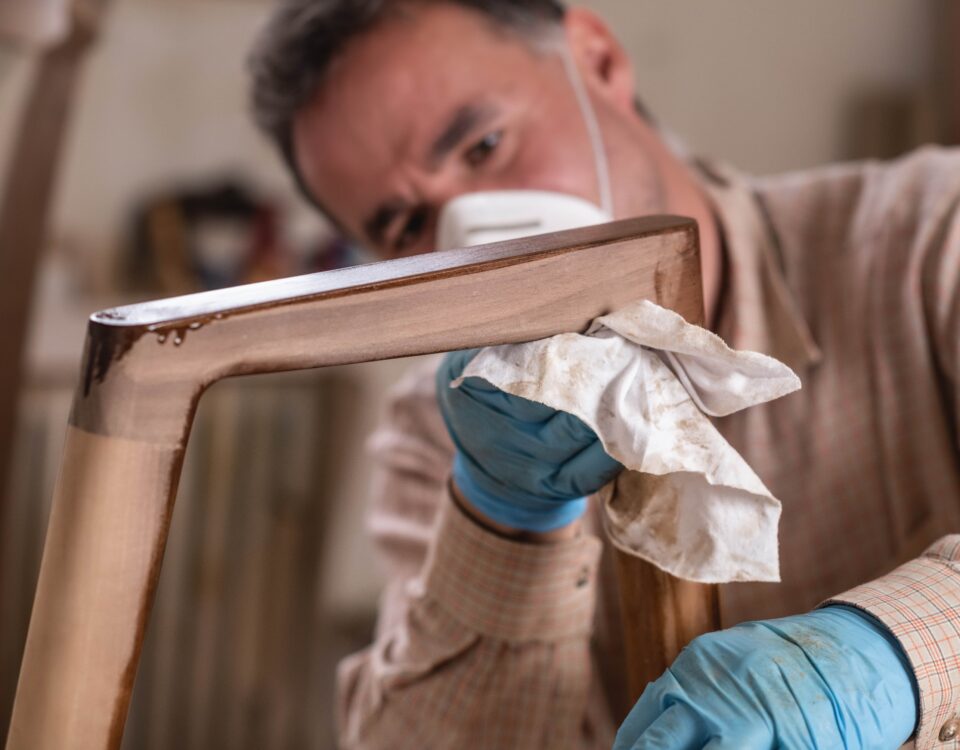
You invest in a custom wood piece for its beauty and longevity. However, the correct finish truly determines how well that piece endures time and use. The finish acts as a critical protective layer, shielding the wood from moisture, scratches, and daily wear. Furthermore, it dramatically influences the furniture’s aesthetic, transforming raw wood into a finished heirloom. Understanding the options available ensures you make the best choice for your unique needs.
Surface Finishes
Lacquer and polyurethane represent the most common category of modern surface finishes. These products create a hard, durable film on the surface of the wood. Specifically, they offer superior protection against water damage and abrasion.
Polyurethane is highly valued for its exceptional durability and resistance to chemicals and moisture. Builders often recommend polyurethane for high-use pieces like dining tables and kitchen counters. It comes in a range of sheens, from high gloss to matte, easily allowing you to achieve a specific aesthetic. Nevertheless, repairs on polyurethane can prove difficult, often requiring sanding down and refinishing the entire piece.
Lacquer dries incredibly quickly, resulting in a smooth, professional-looking surface. It provides excellent protection and a clear finish that highlights the wood grain. Conversely, lacquer tends to be less resistant to heat and certain solvents than polyurethane. Professional shops often spray lacquer for the best results, ensuring an even, flawless appearance.
Penetrating Finishes
Natural oils and waxes offer a distinctly different approach. These finishes penetrate into the wood fibers rather than creating a surface film. Consequently, they leave the wood with a more natural feel, showcasing the texture and depth of the grain.
Tung oil and Danish oil are popular examples of penetrating finishes. These oils cure within the wood, hardening and offering protection from the inside out. They provide decent water resistance but require reapplication more frequently than surface finishes. Therefore, owners must commit to periodic maintenance to keep the piece looking its best. The primary benefit lies in the aesthetic: oils deliver a beautiful, low-sheen, natural look.
Wax (such as beeswax or carnauba wax) provides a low-key, satiny luster and a layer of protection. Builders often use wax over an oil finish to add an extra barrier and deepen the sheen. However, wax offers the least durability and water resistance of the common finishes.
Choosing the Right Protection
The intended use of the furniture dictates the best finish choice. A high-traffic piece requires a robust surface, while a decorative item benefits from a subtle oil finish.
Consider a dining table: this piece requires exceptional water resistance to withstand spills and high durability to resist scratches. Thus, a polyurethane finish becomes the most practical option.
Compare this to a bookshelf or an entryway console. These pieces face lower wear and tear. Accordingly, a natural oil finish provides sufficient protection while highlighting the wood’s inherent beauty, giving it a softer, more organic aesthetic.
Choosing the right finish ensures your custom furniture remains protected, functional, and visually stunning for many years to come. Ultimately, the finish represents the final, vital step in creating a piece that truly lasts.